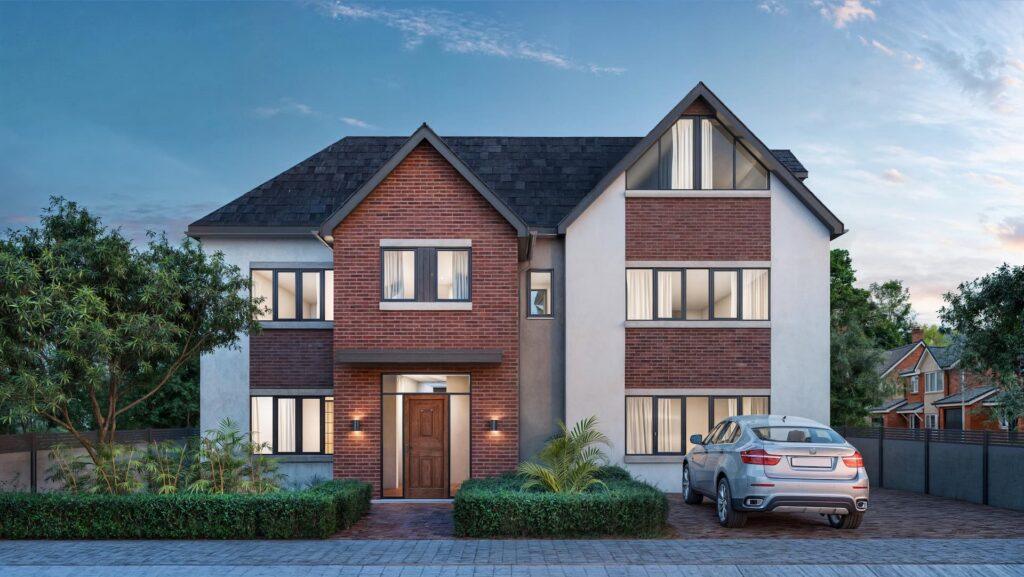
Biophilic Architecture & Design
Our Design Principles
Biophilic architecture is about creating a deeper connection between people, buildings and the natural world. This is architecture guided by nature. These principles guide the way we design homes — from the way natural light enters a room and views connect with the landscape, to the materials we touch and the spaces that make us feel sheltered, curious or alive.
We believe our attraction to these environments is instinctive. Long before architecture, we found comfort beneath trees, beside water, in sunlight and shelter. We looked towards open landscapes for orientation, sought protected places for rest, and followed paths without knowing exactly where they might lead.
Those instincts have never left us.
We are still drawn towards daylight and views. We find calm beside water and amongst natural materials. We seek both openness and shelter; familiarity and discovery; tranquillity and moments of exhilaration.
Our architecture responds to these instincts. We design homes that reconnect people with nature — not simply by bringing nature into a building, but by creating spaces that feel natural to inhabit.
Spaces that can be calm and protective, open and exhilarating, intimate and unexpected. Because a home should do more than provide shelter.
It should make us feel alive, connected and at peace within it.
The Principles That Guide Our Architecture
Eight ideas, inspired by our instinctive relationship with nature, shape the way we approach every home. They influence how we work with landscape, daylight, materials, views and space — transforming biophilic design from an idea into something that can be experienced every day.
01. Nature in the Space
Blur the boundary between inside and out.
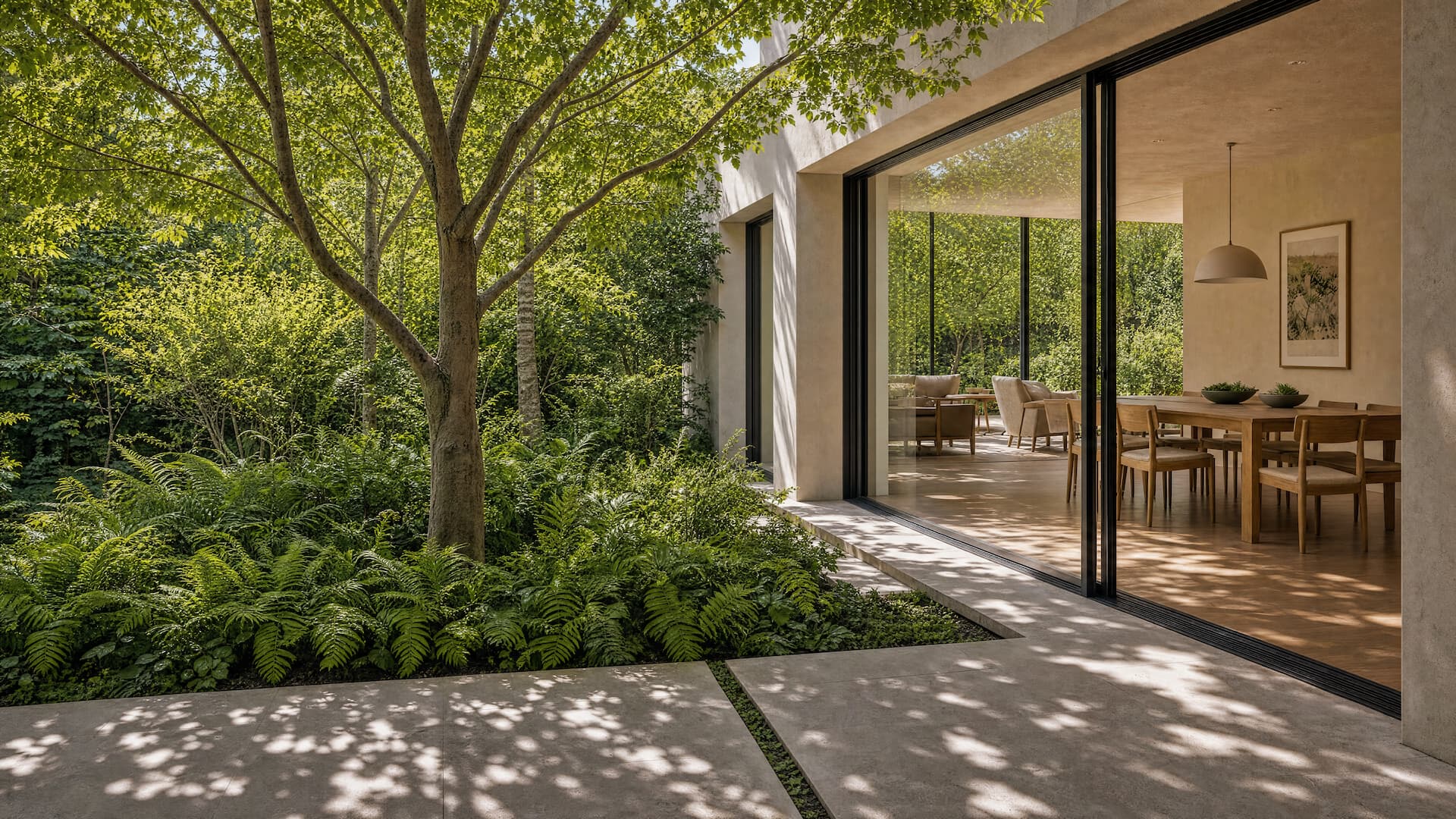
Bringing the outdoors in and creating a constant connection with nature. A garden shouldn’t end at the glass. We orient spaces towards landscape, frame views of trees and sky, and use generous openings, courtyards and planting to soften the distinction between home and garden. The result is a home where nature, daylight and the changing seasons become part of everyday life.
Nature isn’t something you simply look at from your home. It becomes part of living in it.
02. Dynamic & Diffuse Light
Capturing the movement of natural light to create atmosphere and rhythm.
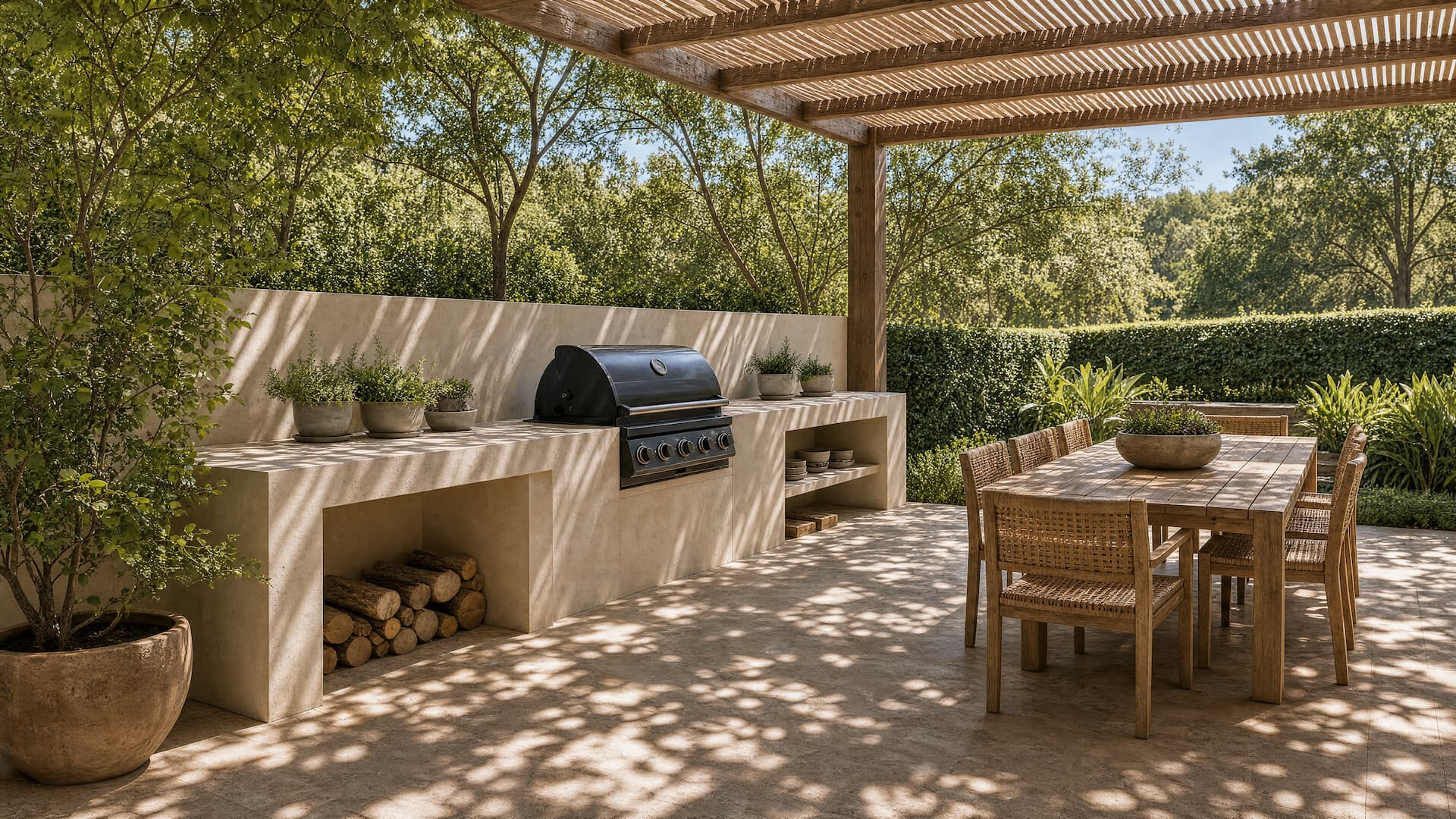
Natural light is never static. It moves across walls, filters through leaves, softens, reflects and casts shadows as the day unfolds. We carefully position windows, rooflights, openings and screens to capture these changes, bringing daylight deep into the home while creating warmth, contrast and atmosphere. Morning feels different from evening. Winter feels different from summer.
The same room should never feel exactly the same twice.
03. Presence of Water
Using water to bring calm, reflection and a sense of life to a space.
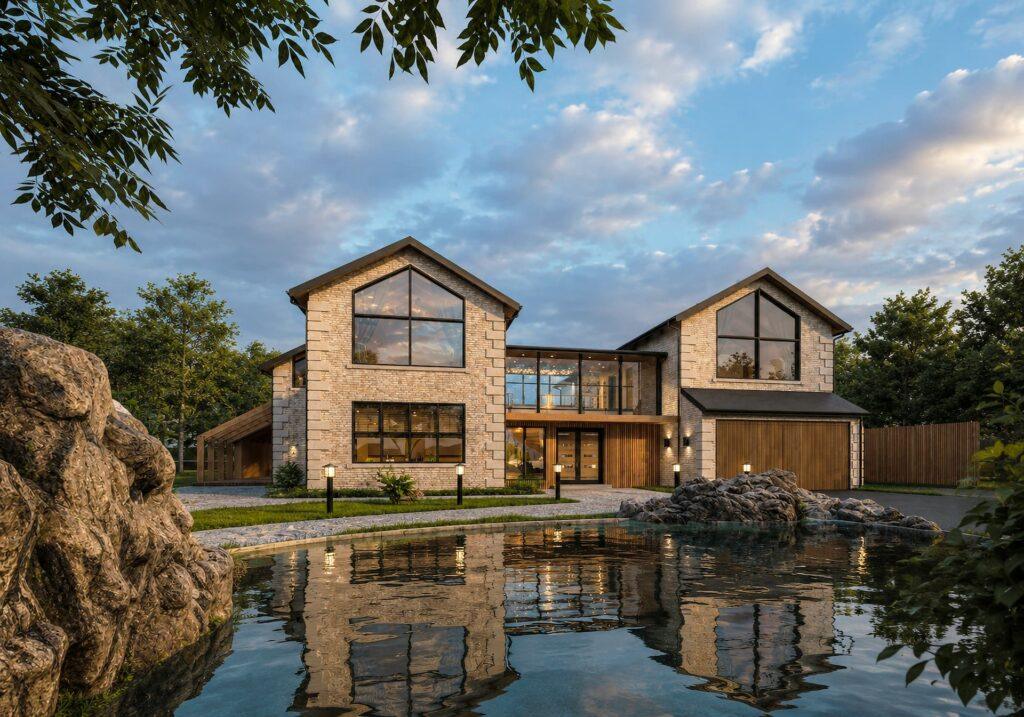
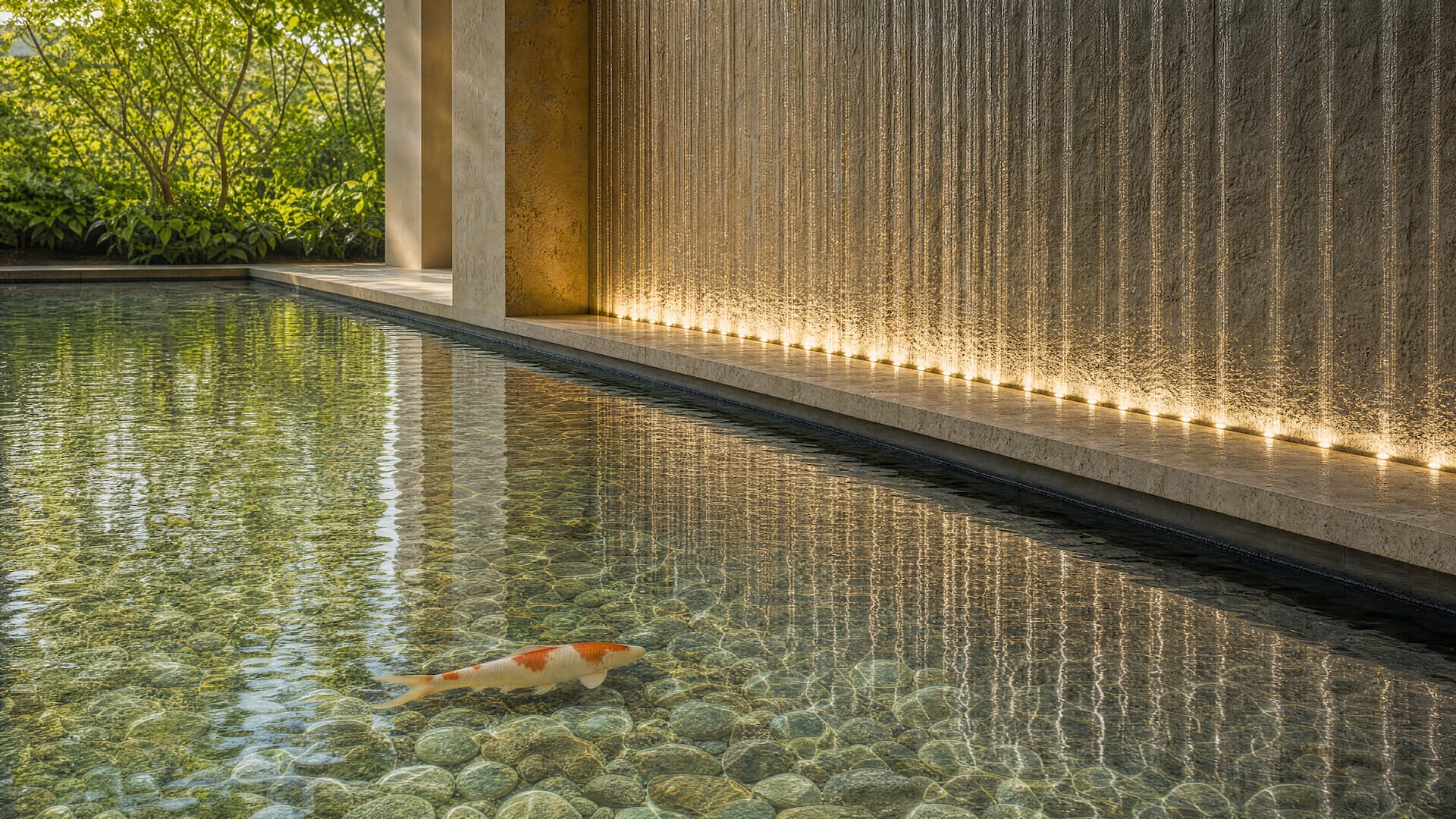
There is something instinctive about our attraction to water. Its movement brings life. Its sound softens the surroundings. Its reflections animate daylight, while still water can introduce an extraordinary sense of calm. Through pools, ponds, courtyards, landscape or carefully framed views, water can become part of the experience of a home rather than simply an element within its garden.
Sometimes the most powerful space is the one that makes you stop.
04. Biomorphic Forms
Speak the language of nature.
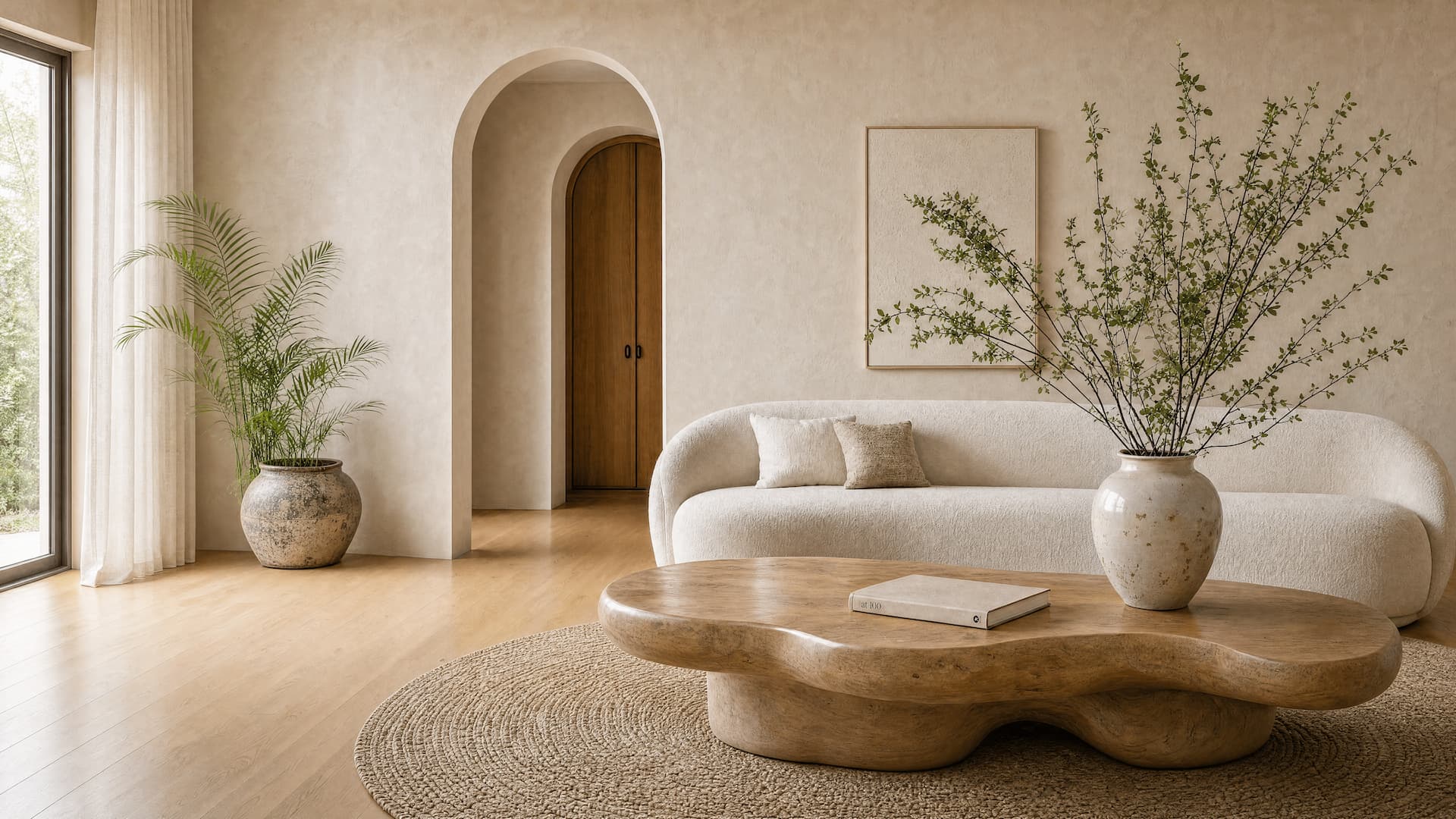
Inspired by natural shapes, patterns, textures and authentic materials. Speak the language of nature. Nature rarely draws a straight line. Curves, repetition, texture and organic geometry surround us — in leaves, shells, rivers, stone and branching trees. We translate these qualities into architecture through form, proportion and detail, combining organic shapes with tactile, authentic materials such as timber, stone, clay and brick. The result is architecture that feels warmer, softer and more connected to the landscapes from which its materials originate.
Architecture doesn’t need to imitate nature. It can speak the same language.
05. Prospect
Give the eye somewhere to travel.
We are naturally drawn towards places where we can see beyond ourselves.
We create long views through the home, frame landscapes and align openings so that spaces feel connected to something beyond their immediate boundaries.
A view might stretch across a garden, through a courtyard, towards the sky or simply from one room into another.
Even within a modest home, carefully designed sightlines can create an extraordinary sense of openness and space.
A beautiful view shouldn’t be discovered by accident. It should be designed.
06. Refuge
Create somewhere the world becomes quieter.
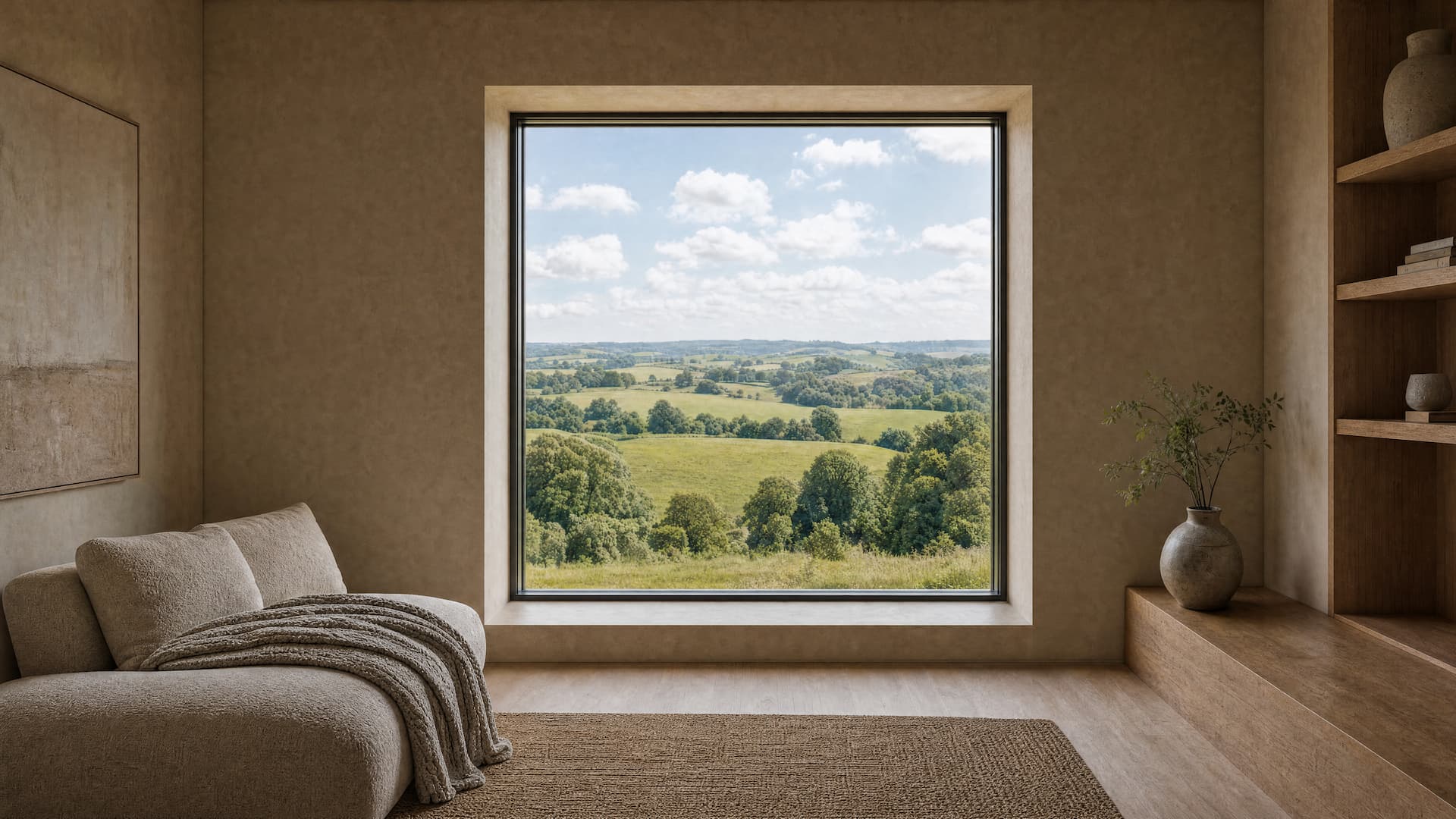
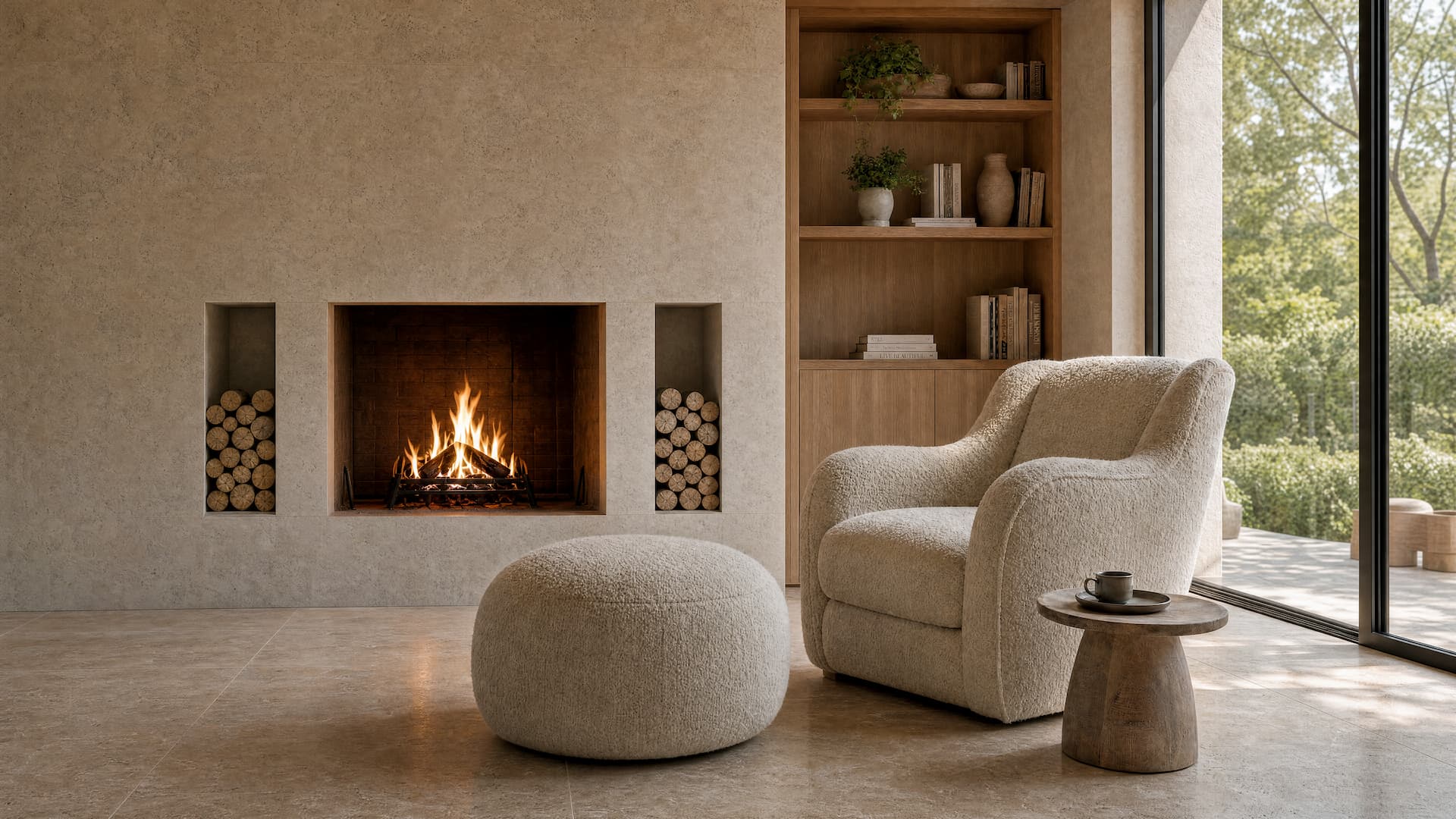
We seek openness, but we also instinctively seek shelter. We create intimate places within larger spaces — a window seat overlooking the garden, a protected corner beside a fireplace, a reading space beneath a lower ceiling or somewhere simply to sit and observe. These moments provide comfort without isolation: places to retreat, think, read or rest while remaining connected to the home around them.
Every home deserves a place that feels entirely your own.
07. Mystery & Discovery
Not everything should be revealed at once.
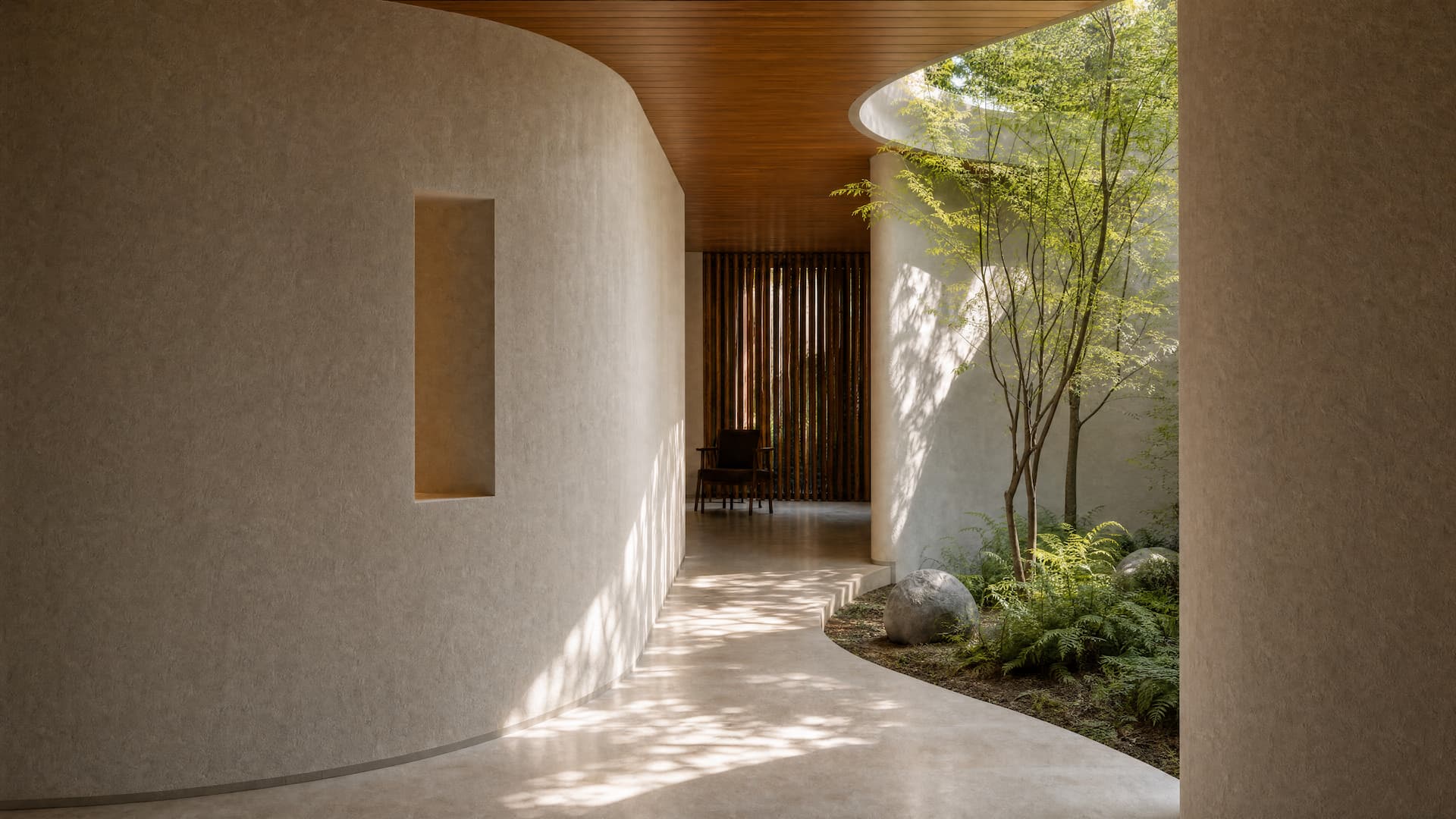
The most memorable homes invite curiosity. A glimpse of a courtyard through an opening. Daylight appearing around a corner. A staircase disappearing upwards. A garden partially concealed beyond another space. Through layered spaces, thresholds, framed glimpses and changing perspectives, we allow architecture to reveal itself gradually rather than all at once. Moving through the home becomes an experience in itself.
A home becomes richer when there is always something more to discover.
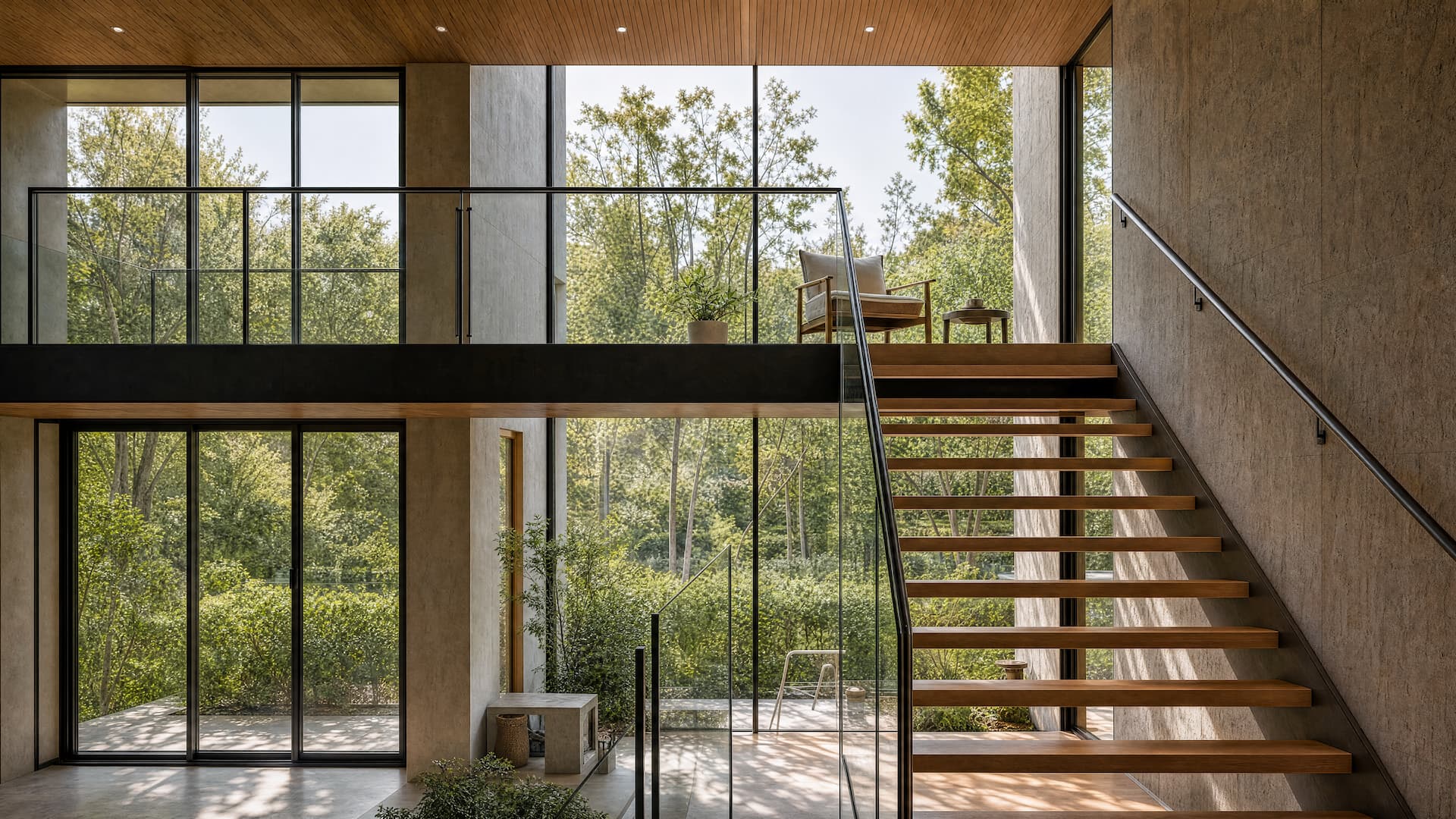
08. Play & Exhilaration
Create moments that make you feel alive.
Nature is not only peaceful. It can be exhilarating. Changes in level, bridges, stepping stones, dramatic staircases, double-height spaces and unexpected viewpoints can introduce carefully controlled moments of excitement and play. These experiences stimulate our senses and encourage movement, curiosity and interaction while remaining considered, comfortable and safe. Because architecture should occasionally surprise us.
A home should give you places to retreat — and places that make your heart beat a little faster.
A Home Designed around Human Nature
Biophilic design isn’t simply about filling buildings with plants. It is about understanding something much deeper: the environments human beings instinctively want to inhabit.
- Light and shadow.
- Shelter and openness.
- Water and landscape.
- Texture and movement.
- Curiosity and discovery.
These experiences have shaped the places humans have sought for thousands of years. Contemporary architecture gives us the opportunity to rediscover them — and bring them into the place where they can influence us every day.
Our homes.
We don’t design nature around architecture.
We allow nature to guide the architecture. Imagine what these principles could bring to your home.
Explore our homes