Cities are living organisms, constantly evolving to meet the demands of their residents, economies, and environments. Yet, as they expand and change, some areas inevitably fall into neglect. Derelict industrial zones, outdated housing estates, and underused public spaces can all become symbols of decline. Urban regeneration seeks to reverse this by breathing new life into forgotten corners of the city – and at the heart of these projects lies architecture.
In this blog, we’ll explore the role of architecture in urban regeneration projects and how thoughtful design transforms neglected spaces into thriving, sustainable, and vibrant communities.
Understanding Urban Regeneration
Urban regeneration is the process of redeveloping underutilised, deteriorated, or abandoned areas to create functional, attractive, and economically viable spaces. It is not simply about replacing old buildings with new ones; it’s about:
- Reviving local economies by attracting businesses, jobs, and investment.
- Improving quality of life with better housing, public spaces, and amenities.
- Preserving heritage while adapting historic structures for modern use.
- Enhancing sustainability through energy efficiency and green design.
Architecture is central to achieving these goals, shaping not only the physical transformation of spaces but also how communities interact with and perceive them.
1. Adaptive Reuse – Giving Old Buildings New Purpose
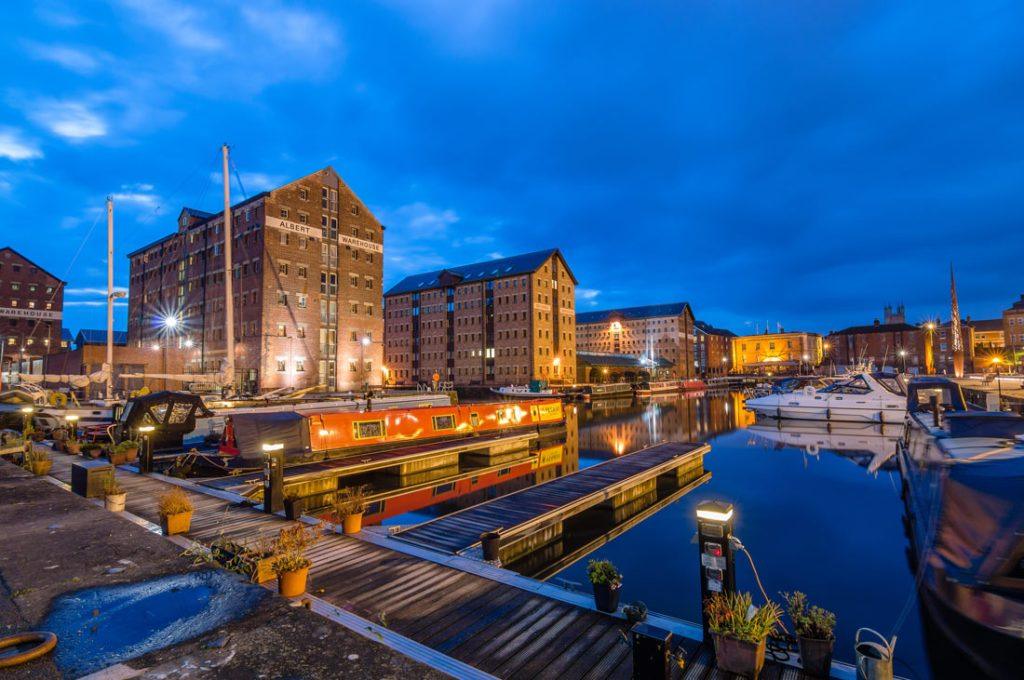
One of the most powerful ways architecture contributes to regeneration is through adaptive reuse – the practice of repurposing existing structures for modern needs. Rather than demolishing old factories, warehouses, or civic buildings, architects transform them into:
- Residential apartments
- Offices and coworking spaces
- Cultural venues such as museums, theatres, or galleries
- Community hubs, libraries, or educational centres
This approach retains the character and history of an area while making it relevant again. Iconic examples include the transformation of the Tate Modern in London, a former power station turned world-renowned art gallery, which sparked the wider regeneration of the South Bank.
2. Housing Regeneration – Building for Communities
In many cities, neglected housing estates become associated with social issues and disrepair. Architects play a critical role in redesigning these areas to create safe, inclusive, and sustainable communities.
Trends in housing regeneration include:
- Mixed-use developments that combine residential, retail, and leisure facilities.
- Affordable housing integration to ensure inclusivity.
- Green design with energy-efficient homes, rooftop gardens, and communal outdoor spaces.
- Community consultation to ensure designs meet residents’ needs and encourage a sense of ownership.
The focus is shifting away from monolithic tower blocks toward human-scaled neighbourhoods that prioritise wellbeing and social interaction.
3. Public Realm Design – Revitalising Shared Spaces
Urban regeneration is not just about buildings – it’s also about the spaces between them. Architecture plays a major role in shaping public realms such as parks, squares, and pedestrian routes. Well-designed public spaces encourage social interaction, support local businesses, and enhance safety.
Key strategies include:
- Pedestrianisation of central areas to reduce car dominance.
- Landscaping with trees, seating, and lighting to create inviting environments.
- Interactive installations, play areas, and cultural landmarks that give spaces an identity.
- Designing for accessibility to ensure inclusivity.
Successful regeneration ensures that people don’t just pass through an area – they want to stay, spend time, and return.
4. Sustainable and Resilient Design
Climate change and environmental concerns are reshaping urban planning. Regeneration projects increasingly prioritise sustainability and resilience. Architects contribute by designing buildings and spaces that:
- Use renewable energy and energy-efficient systems.
- Incorporate sustainable materials with low carbon footprints.
- Integrate green roofs, living walls, and urban biodiversity corridors.
- Manage stormwater through permeable surfaces and rainwater harvesting.
These features not only reduce environmental impact but also future-proof urban areas against rising energy costs and changing climate conditions.
5. Cultural and Economic Revitalisation
Architecture often acts as a catalyst for cultural and economic renewal. When an iconic building or cultural facility anchors a regeneration project, it attracts visitors, investment, and pride. Examples include:
- Concert halls, theatres, and sports venues that become city landmarks.
- Revitalised markets and food halls that celebrate local identity.
- Innovation hubs that support start-ups and creative industries.
The Bilbao Effect – named after the Guggenheim Museum in Bilbao, Spain – highlights how a single architectural project can spark widespread urban transformation and economic revival.
6. Connecting Old and New
Successful regeneration balances the preservation of heritage with modern innovation. Architects carefully weave old and new elements together to create a sense of continuity:
- Restoring facades while modernising interiors.
- Blending traditional materials with contemporary forms.
- Creating visual harmony between historic streetscapes and new builds.
This approach not only protects cultural identity but also creates architectural contrasts that make cities visually dynamic and culturally rich.
7. Enhancing Mobility and Infrastructure
Urban regeneration often involves rethinking how people move around a city. Architecture and urban design improve connectivity by:
- Designing transport hubs that integrate rail, bus, cycling, and pedestrian networks.
- Creating walkable neighbourhoods with safe cycling lanes.
- Reclaiming abandoned infrastructure, such as elevated rail lines, for public use – as seen in New York’s High Line.
By improving access and mobility, regeneration projects connect communities, reduce congestion, and make cities more liveable.
8. Community Engagement in Design
Architecture is most successful in regeneration when it involves the people it serves. Increasingly, architects collaborate with local residents, businesses, and stakeholders during the design process. Benefits include:
- Designs that reflect community identity and priorities.
- Stronger support for projects, reducing opposition.
- Spaces that encourage long-term care and stewardship.
Community-led design ensures regeneration is not imposed from above but grows from within.
Case Studies of Architectural-Led Regeneration
- King’s Cross, London: Once an underused industrial area, it has been transformed into a vibrant district with offices, housing, cultural venues, and landscaped public spaces – all anchored by sensitive architectural design.
- HafenCity, Hamburg: Europe’s largest urban regeneration project, turning disused docks into a thriving waterfront district blending heritage warehouses with cutting-edge contemporary architecture.
- The High Line, New York: A former elevated railway turned linear park, inspiring similar projects worldwide.
These examples show how architecture not only changes physical landscapes but also redefines how people experience and value their cities.
Conclusion
The role of architecture in urban regeneration is transformative. By reimagining neglected spaces, architects create homes, workplaces, and public areas that foster economic growth, cultural vitality, and environmental sustainability. More than just buildings, regeneration projects reshape identities, strengthen communities, and ensure cities remain resilient and relevant for generations to come.
As cities continue to evolve, architecture will remain a driving force – bridging the past and the future, revitalising neglected areas, and designing spaces that truly enrich urban life.