The world of residential architecture is evolving rapidly, shaped by lifestyle changes, sustainability goals, and technological advances. As we enter 2025, homeowners are looking for homes that are not only aesthetically pleasing but also practical, energy-efficient, and adaptable to the future. If you’re planning a new build or a renovation, staying ahead of these design trends can help you create a home that is both timeless and forward-thinking.
In this blog, we explore the top trends in modern home design for 2025 – the features, materials, and ideas that are defining the way people want to live today.
1. Sustainable and Eco-Friendly Living
Sustainability is no longer an optional consideration – it’s a top priority. Homeowners are seeking designs that minimise environmental impact, reduce energy use, and promote healthier living environments. In 2025, expect to see:
- Passive design principles: Homes designed to take advantage of natural heating, cooling, and ventilation. Orientation, shading, and insulation are becoming key considerations.
- Green materials: Recycled, reclaimed, and low-carbon materials such as bamboo, cork, and eco-friendly concrete alternatives.
- Energy-efficient systems: Solar panels, heat pumps, and battery storage solutions integrated into home designs.
- Water conservation: Greywater recycling systems and rainwater harvesting are becoming mainstream.
These features not only lower utility bills but also future-proof homes as energy efficiency standards continue to tighten.
2. Open-Plan Living With Defined Zones
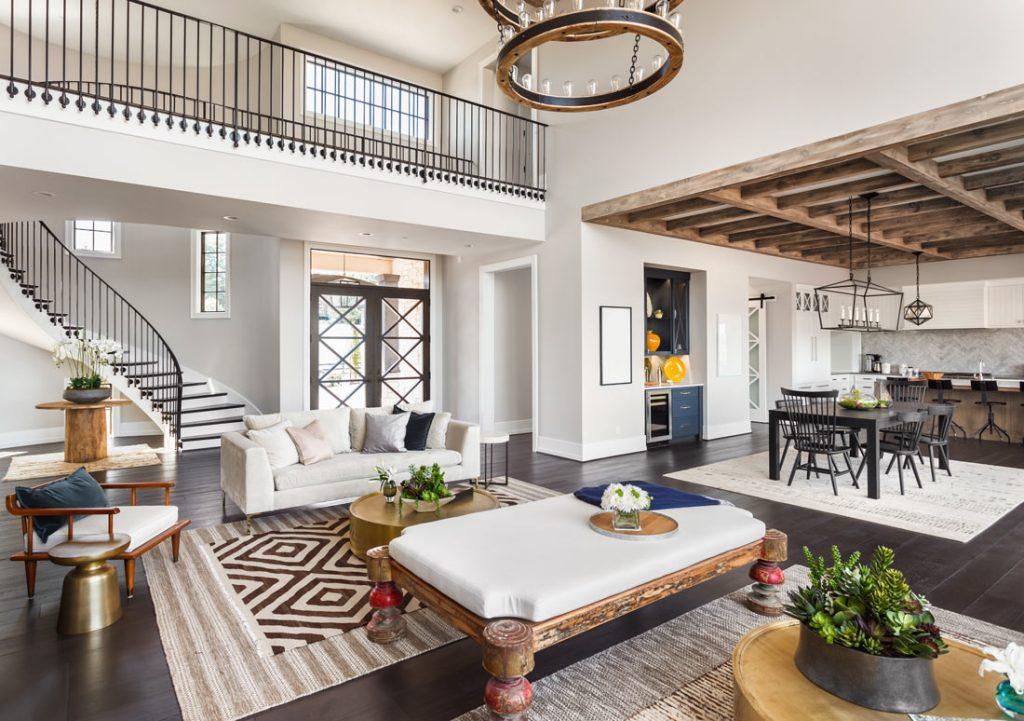
Open-plan layouts remain popular, but homeowners are also seeking subtle separations that allow for privacy and function. In 2025, the trend is moving toward “broken-plan” living – large open spaces with defined zones created through clever design:
- Sliding glass partitions or crittall-style dividers.
- Half walls and shelving that separate without closing off.
- Split-level floors to create natural boundaries.
- Use of different textures, colours, or lighting to distinguish areas.
This allows families to enjoy the flow of open-plan living while still catering to the need for quiet corners and functional workspaces.
3. Home Offices Designed for Hybrid Living
The pandemic permanently reshaped how people view workspaces at home. In 2025, homeowners are no longer improvising – they want dedicated, well-designed home offices. Key features include:
- Acoustic insulation for video calls and focus.
- Built-in storage to reduce clutter.
- Biophilic elements such as plants, natural materials, and large windows for natural light.
- Multi-purpose layouts that allow spaces to double as guest rooms or creative studios.
As hybrid working remains the norm, home offices are being treated with the same design importance as kitchens or living rooms.
4. Smart Homes and Integrated Technology
Technology continues to shape modern living, with smart homes now considered a must-have rather than a luxury. In 2025, the focus is on seamless integration:
- Smart lighting that adjusts automatically to the time of day and occupancy.
- Integrated heating, cooling, and security systems controlled from smartphones.
- Voice-activated appliances and assistants.
- Hidden cabling and wireless charging stations incorporated into furniture.
The emphasis is on user-friendly systems that make life more convenient without cluttering homes with visible tech.
5. Natural Light and Indoor-Outdoor Connection
Homeowners are increasingly prioritising natural light and a sense of connection to the outdoors. In 2025, designs emphasise:
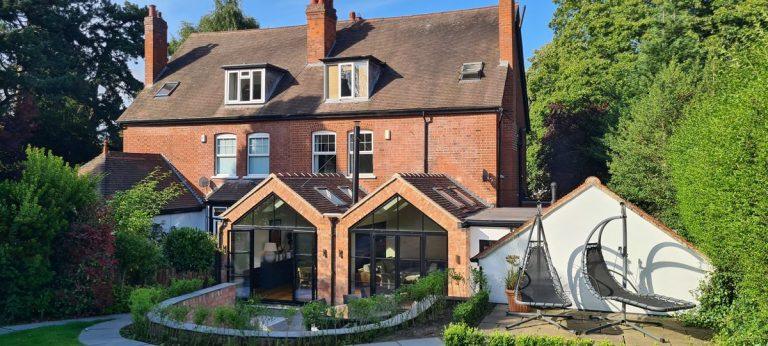
- Floor-to-ceiling glazing that floods interiors with light.
- Skylights and light wells that brighten even internal spaces.
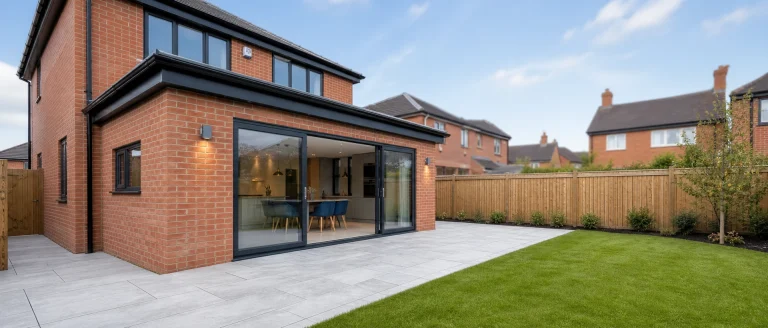
- Sliding or bi-fold doors that create seamless transitions to outdoor patios and gardens.
- Indoor courtyards and green walls that bring nature inside.
These features not only enhance wellbeing but also create a feeling of spaciousness, even in smaller homes.
6. Kitchens as the Heart of the Home
Kitchens remain central to family life, but their design focus in 2025 is shifting toward functionality blended with social interaction. Popular elements include:
- Large kitchen islands that double as dining and social spaces.
- Hidden storage solutions that keep countertops clear.
- Integrated appliances with minimalist finishes.
- Bold, contrasting colours – think deep greens, matte blacks, and natural wood.
- Walk-in pantries for both storage and style.
The kitchen is no longer just a place to cook – it’s a hub for gathering, entertaining, and daily living.
7. Wellness-Focused Design
Health and wellbeing are now central to home design. Homeowners are asking for features that create calming, restorative spaces:
- Spa-inspired bathrooms with freestanding tubs, rainfall showers, and natural stone finishes.
- Dedicated wellness rooms for yoga, meditation, or fitness.
- Non-toxic paints and finishes to improve indoor air quality.
- Quiet zones for digital detoxing and relaxation.
Wellness architecture is about designing homes that support both physical and mental health.
8. Flexible and Multifunctional Spaces
Modern families need flexibility. In 2025, designs increasingly incorporate adaptable spaces that can evolve with changing needs:
- Rooms with sliding partitions that convert from playrooms to guest rooms.
- Convertible furniture such as fold-away desks and wall beds.
- Garages designed to double as hobby spaces or home gyms.
- Loft spaces and basements reimagined as usable living areas.
This trend reflects a desire for homes that remain practical for decades, accommodating new family dynamics without major renovations.
9. Bold Architectural Statements
Minimalism remains strong, but there’s a growing appetite for expressive architecture that reflects personal taste. In 2025, we’ll see:
- Unique facades with mixed materials like wood, stone, and metal.
- Sculptural staircases and dramatic lighting features.
- Curved walls and organic forms replacing rigid boxy structures.
- Colour accents that add vibrancy to neutral palettes.
Homeowners want homes that stand out, with individuality driving design choices as much as practicality.
10. Smaller Homes, Bigger Impact
As urban spaces become denser and housing costs rise, many homeowners are embracing smaller, smarter homes. The focus is on making every square metre count:
- Compact but efficient floor plans.
- Built-in storage that reduces clutter.
- Multi-purpose furniture.
- Outdoor extensions such as balconies and roof terraces.
Rather than sprawling layouts, the emphasis is on quality over quantity, proving that smaller homes can still feel luxurious.
Conclusion
Modern home design in 2025 is shaped by a balance of sustainability, technology, wellbeing, and individuality. Homeowners are looking for spaces that make everyday life easier, healthier, and more enjoyable, while also being future-proof and environmentally responsible.
Whether you’re planning a new home or upgrading your existing property, incorporating these trends can ensure your home reflects the way we live today – and the way we’ll continue to live tomorrow. The best designs don’t just follow trends; they anticipate them, creating homes that stand the test of time.