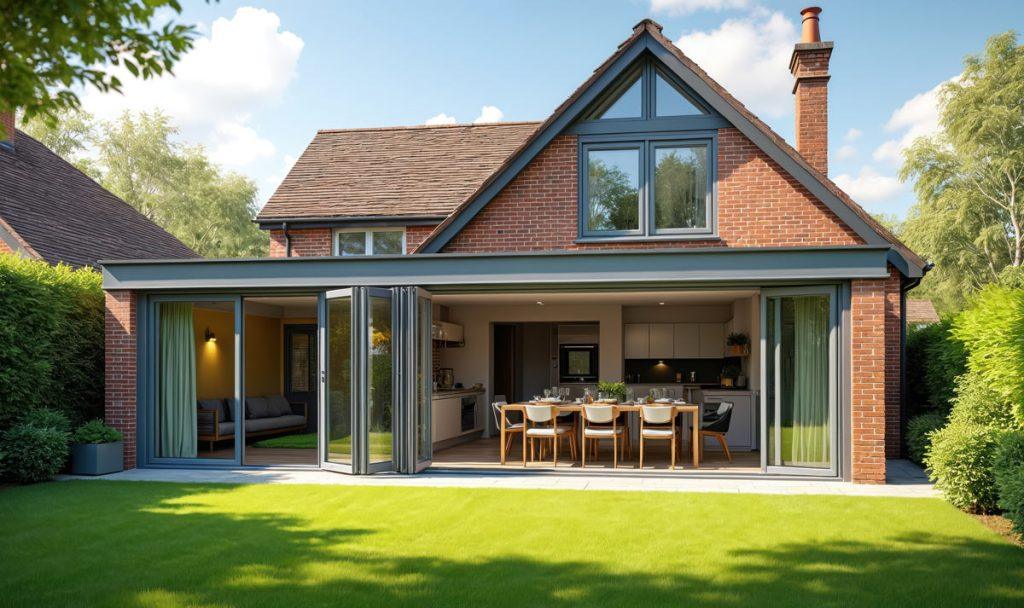
Adding extra space to your home can be exciting, but it often feels like a minefield of forms, fees and approvals. Many homeowners underestimate the amount of planning involved and rush into work without fully understanding what’s required. This guide aims to demystify the process and highlight how working with professionals like Paragon Architects can make all the difference.
Planning Permission vs Permitted Development
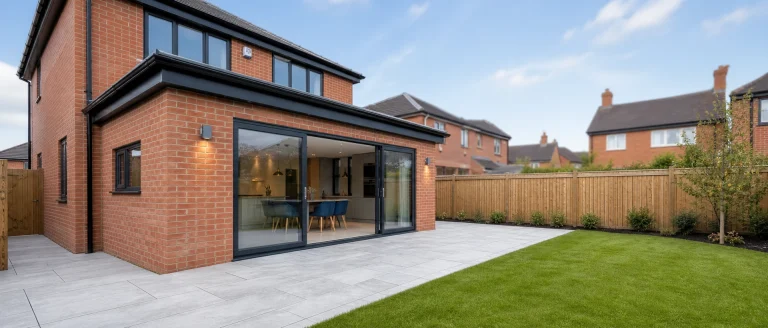
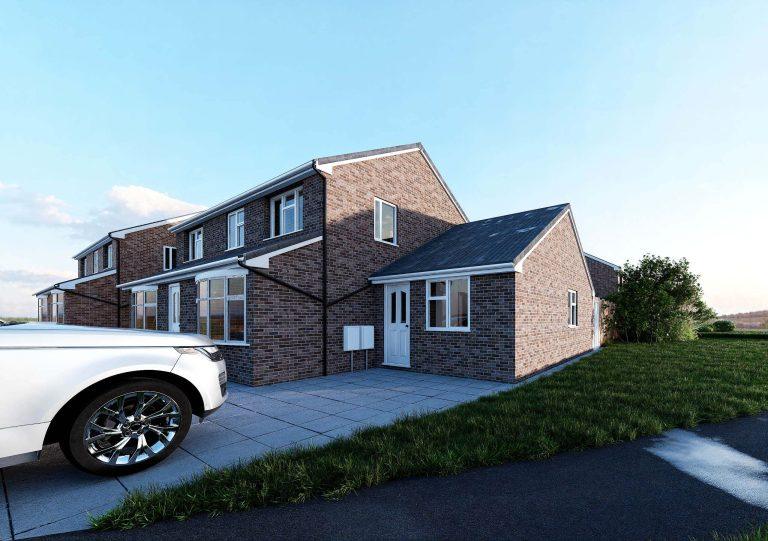
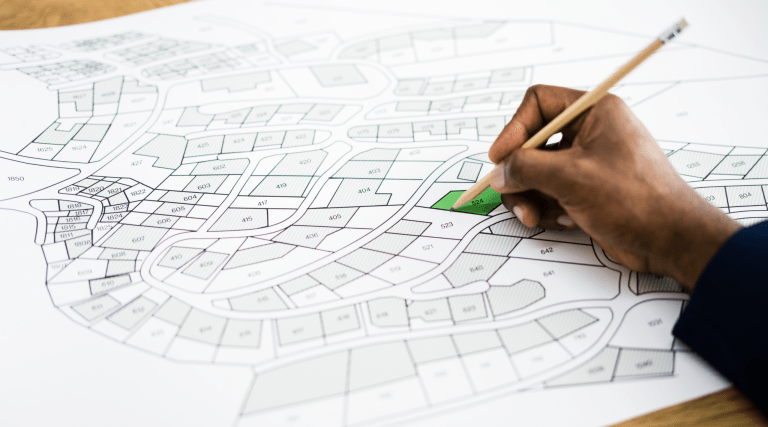
Not every extension requires planning permission. Some small additions fall under permitted development rights, meaning they can be built without submitting a full planning application, provided they meet strict size and siting rules. For example, single-storey rear extensions may be allowed without permission if they do not cover more than half of the garden, do not exceed a certain height and do not extend too far from the original rear wall.
However, many projects do require formal approval. Planning permission is almost always needed for two-storey extensions, any work that alters the front elevation, or anything that significantly alters the character of a listed building or property in a conservation area. If you’re in doubt, it is always worth checking with your local planning authority early on. Paragon’s team regularly liaises with councils across the South East, so their clients don’t have to decode the legislation alone.
Building Regulations: Non-Negotiable Standards
Regardless of whether you need planning permission, all extensions must comply with the UK’s Building Regulations. These rules ensure that structures are safe, energy efficient and accessible. They cover everything from structural integrity and fire safety to insulation and drainage.
Building Control officers will expect your plans to address foundations, doors and windows, electrics, drainage, walls, kitchens, bathrooms and the roof. Fire escape routes must be considered, especially if you’re adding another storey. If your extension will contain a kitchen or bathroom, ventilation and moisture control become critical. Engineers’ calculations are usually required to demonstrate that load-bearing elements can safely support any additional weight.
 Applying for Building Regulations Approval
There are two main routes to gaining approval:
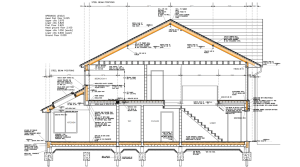
- Full Plans Application – You submit detailed drawings and structural calculations before work starts. The local authority reviews your submission and provides comments. Once your plans are approved, you can proceed knowing that the design meets the regulations.
- Building Notice – You notify the local authority of your intentions and work can begin 48 hours later. This may be quicker, but it carries more risk because plans are not checked in advance. Any issues found during inspections must be rectified on site, potentially causing costly delays.
For most larger or more complex projects, professionals recommend the Full Plans route. Paragon Architects often prepare these submissions on behalf of clients, coordinating with structural engineers and building control officers to ensure compliance from the outset.
Typical Planning Process and Timescales
If planning permission is required, the process usually involves:
- Consultation with the local authority – Many councils offer pre-application advice sessions. These meetings help identify local policies that could affect your design.
- Submitting a planning application – This is usually done via the Planning Portal or your local council’s website. You’ll need drawings, forms and a fee. The case officer will then consult neighbours and other stakeholders.
- Decision period – Most applications are decided within eight weeks, although complex schemes can take longer. Conditions may be attached to the approval, such as matching materials or restrictions on glazing.
Throughout this process, good communication is key. Neighbours have the right to comment, so letting them know your plans can prevent objections. Additionally, if your property shares walls with another, you’ll need to serve a Party Wall notice well in advance.
Common Pitfalls and How to Avoid Them
Many extensions stall or run into problems because homeowners misjudge the regulations. Here are a few traps to avoid:
- Starting work before approvals – Sometimes people assume their project is permitted development, only to find out mid-build that they need permission. Always get written confirmation before breaking ground.
- Failing to follow inspection stages – Building control inspections happen at various points, such as foundations, drainage and completion. Skipping these can result in having to expose finished work for inspection later.
- Ignoring Party Wall requirements – Extensions involving shared walls or excavations near a neighbour’s property require formal notices and agreements. Disputes can stop work altogether.
- Underestimating costs and timescales – Construction projects often encounter hidden issues once walls and floors are opened up. Build in a contingency budget and expect the unexpected.
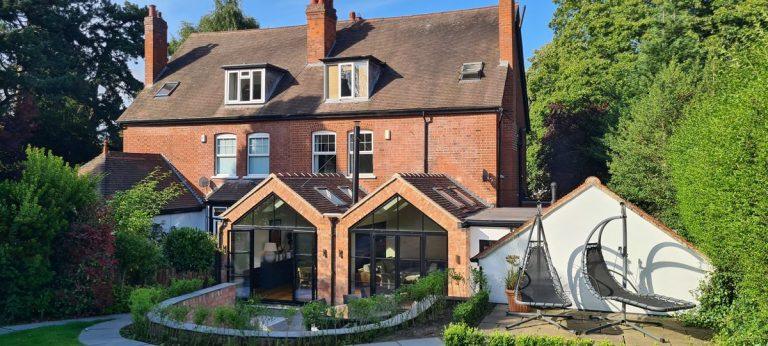
- Compromising on design quality – While it may be tempting to cut corners, poor design can lead to an extension that looks bolted on rather than integrated. Engaging an architect ensures that both the aesthetic and technical aspects are addressed.
 Why Work With an Architect?
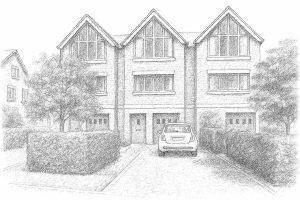
Architects do more than produce drawings. They interpret your requirements, anticipate planning objections and coordinate the technical details needed for building control. A well-considered extension adds value to your home and improves how you live in it. Paragon Architects are experienced in residential extensions across Kent, Sussex and beyond, and their team manages the entire process from concept through to completion. By working with them, you gain a partner who can handle applications, liaise with consultants and keep the project aligned with your budget and aspirations.
Practical Tips for Homeowners
With the right preparation, extending your home can be a rewarding experience:
- Define your brief clearly – Think carefully about how you’ll use the new space, how it relates to your existing home and what your priorities are.
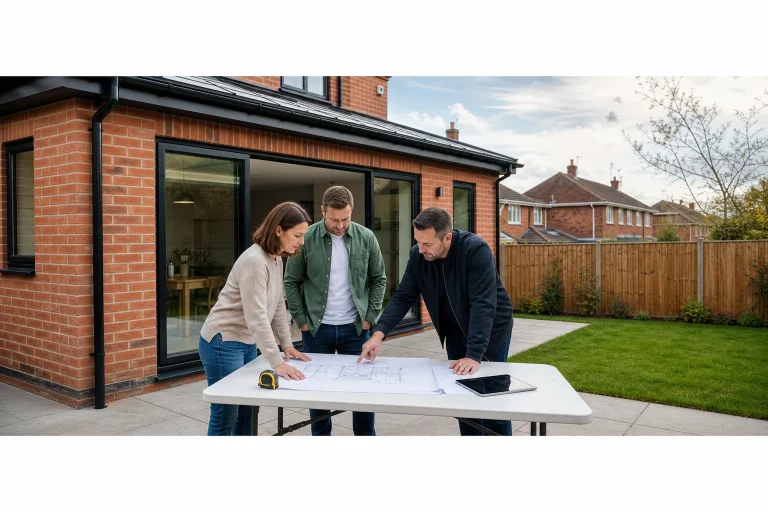
- Talk to professionals early – Engage an architect and structural engineer at the outset to avoid costly redesigns later.
- Check insurance cover – Standard home insurance rarely covers construction works. Make sure you and your contractor have appropriate policies in place.
- Keep records and stay organised – Maintain a file of approvals, structural calculations, invoices and correspondence. You may need these documents if you sell your home later.
- Budget for contingencies – Set aside at least 10% of your project cost for unforeseen issues.
Conclusion
Home extensions offer a flexible way to add space and increase the value of your property, but navigating planning permission and building regulations requires patience and planning. Understanding the difference between what needs approval and what falls under permitted development, complying with building standards and avoiding common mistakes will smooth the journey.
Working alongside experts like Paragon Architects means you’re supported at every stage, from the first sketch to the final completion certificate. By taking a thoughtful, informed approach, you can create an extension that enhances your home and stands the test of time.