A thoughtfully designed workspace goes far beyond aesthetics; it plays a pivotal role in shaping employee well‑being.
In today’s competitive work environment, organisations are recognising that the physical environment can influence both productivity and job satisfaction.
From layout to lighting, each design decision contributes to creating an atmosphere that supports mental and physical health.
Well‑designed offices are no longer a luxury but a strategic investment. By focusing on employee well‑being, businesses can reduce stress, improve focus, and foster collaboration.
Architects and interior designers now have the responsibility to create spaces that balance functionality with comfort, ensuring that the workplace promotes a sense of purpose and belonging for everyone who uses it.
The Link Between Workspace Design and Well‑Being
Natural light is one of the most significant factors in a workspace, directly affecting mood and alertness.
Large windows, skylights, and open layouts allow daylight to penetrate deeper into the office, reducing reliance on artificial lighting and creating a more energising environment.
Adequate ventilation and air quality also play a crucial role in preventing fatigue and supporting overall health.
Materials, colour schemes, and acoustics further influence how employees feel at work. Calm, neutral tones can reduce stress, while carefully considered textures add warmth and comfort.
Effective acoustic planning ensures that noise levels do not become a source of distraction or anxiety, supporting concentration and productivity throughout the day.
Designing for Collaboration and Focus
A well‑planned office balances areas for collaboration with spaces dedicated to focus.
Open-plan layouts encourage teamwork and spontaneous interaction, but they should be complemented by quiet zones or private rooms where employees can concentrate without interruption.
This zoning approach respects different working styles and helps maintain productivity across teams.
Flexible furniture and modular designs allow spaces to adapt to changing needs. Desks that can be rearranged, movable partitions, and multipurpose rooms provide versatility for various tasks.
Informal meeting areas and breakout spaces offer opportunities for casual conversation, fostering creativity and strengthening workplace relationships.
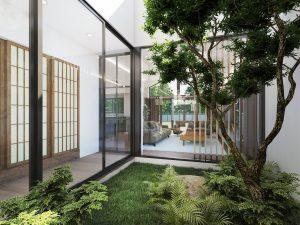
Biophilic Design and Connection to Nature
Integrating natural elements into the office environment has been shown to improve both mental and physical well‑being.
Features such as indoor plants, natural wood finishes, and water elements can create a calming atmosphere, reduce stress, and enhance cognitive function.
Access to outdoor spaces, even small terraces or courtyards, allows employees to take restorative breaks during the day.
By connecting people with nature, biophilic design encourages movement, relaxation, and a sense of calm, which ultimately supports long-term health and engagement in the workplace.
Technology and Ergonomics
Ergonomic furniture is essential for maintaining employee comfort and preventing musculoskeletal issues.
Adjustable chairs, sit‑stand desks, and well-positioned monitors help reduce strain and improve posture, allowing staff to focus on their work without physical discomfort.
Smart office technologies can further enhance well-being by monitoring environmental conditions such as temperature, lighting, and air quality.
When technology is seamlessly integrated into the workspace, it supports employees without being intrusive, creating a balance between convenience and a human-centred approach to office design.
Conclusion
Investing in well-designed workspaces has a direct and lasting impact on employee well‑being.
By considering factors such as lighting, layout, materials, and ergonomics, organisations can create environments that support productivity, reduce stress, and foster a positive work culture.
Architects play a crucial role in shaping these environments, transforming offices into spaces that are both functional and nurturing.
Prioritising employee well‑being in design decisions ensures that workplaces not only meet business objectives but also enhance the overall quality of daily work life.