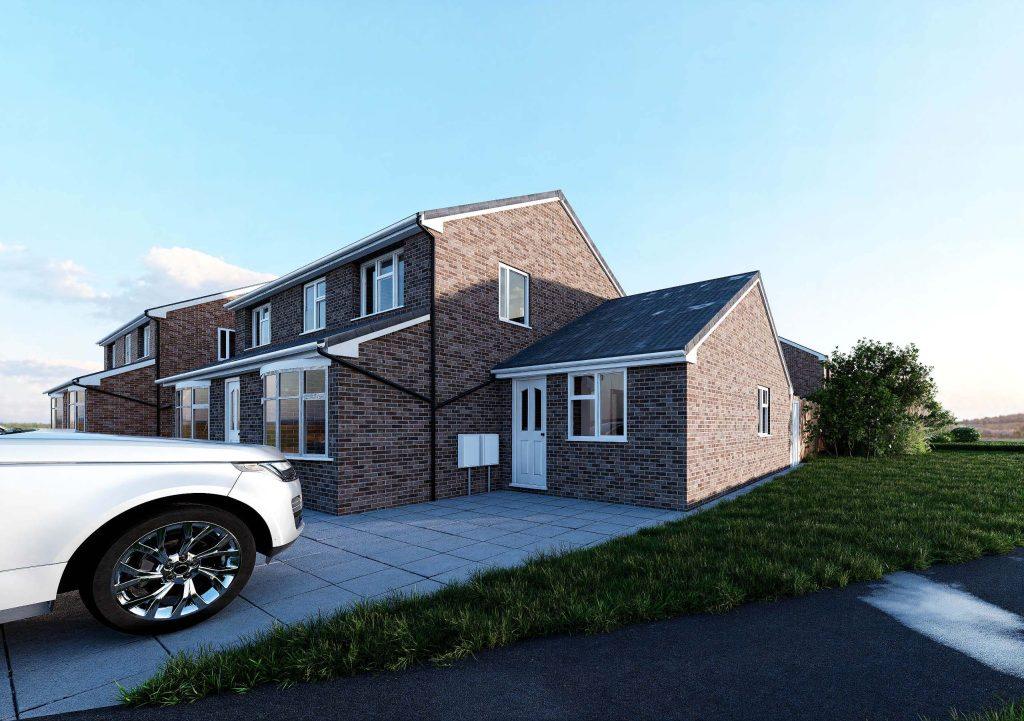
Extending your home can feel like a natural next step when space starts to become tight.
Rather than going through the hassle of moving, many homeowners look at ways to make better use of what they already have.
It can be more cost-effective, and you get to stay in a familiar area, which is often a big part of the appeal.
That said, not every property is automatically suited to an extension. There are several factors that may influence what is realistically achievable, from planning restrictions to the structure of the building itself.
Taking the time to understand these early on can help you avoid wasted time and unexpected costs later.
Understanding Your Available Space
The amount and layout of space around your property will play a major role in what type of extension is possible.
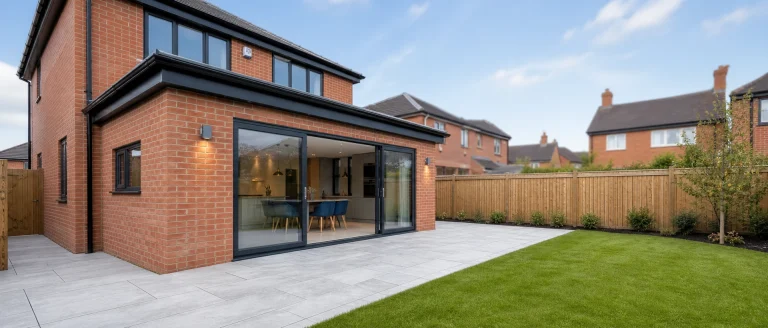
A generous rear garden may allow for a sizeable rear extension, while a narrower plot might be better suited to a side return design. Even small or awkward spaces can sometimes be used effectively with the right approach.
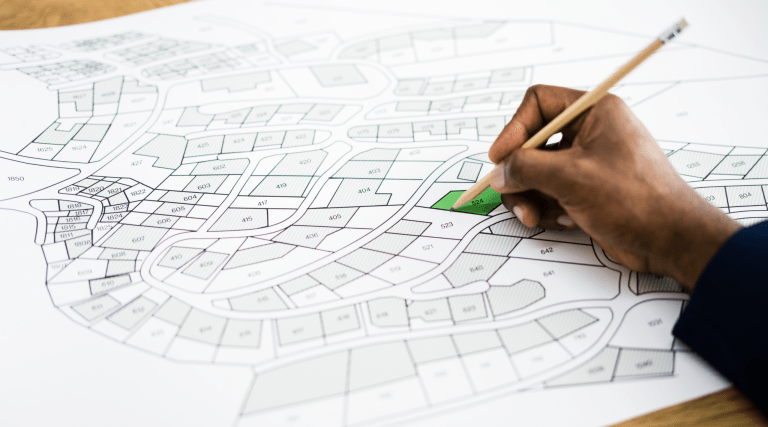
It is also worth thinking about how the extension will sit within the existing plot. Boundaries, neighbouring properties, and access routes all come into play.
In some cases, what looks like limited space at first glance can still offer potential when viewed from a design perspective.
Checking Planning Permission and Permitted Development
In the UK, some extensions fall under permitted development rights, meaning you may not need full planning permission.
However, this depends on factors such as the size, height, and position of the proposed build. These rules can be quite specific, and small details can make a big difference.
Local councils may also apply additional restrictions, particularly in conservation areas or on listed buildings.
It is not always as straightforward as it first appears, so it is sensible to check early. Getting clarity at this stage can help prevent delays or the need to redesign later on.

Assessing the Structure of Your Existing Property
The condition and structure of your current home will influence whether an extension is practical.
Foundations, load-bearing walls, and the overall integrity of the building all need to be considered. In some cases, additional structural work may be required to support the new space.
Older properties, or those that have been altered previously, may present extra challenges. Issues such as outdated construction methods or hidden defects can come to light once work begins.
A proper assessment early on can help highlight these risks before they become costly problems.
Considering Access and Practical Constraints
Access is something that is often overlooked in the early stages. Builders will need enough space to bring in materials, equipment, and machinery.
If access is limited, it can affect both the cost and the timeline of the project.
Neighbouring properties can also have an impact, particularly if work is being carried out close to shared boundaries.
You may need to consider party wall agreements or other legal requirements. Planning for these practical details early can help the project run more smoothly.
Budget and Value Considerations
It is important to look beyond just the cost of building the extension itself. Fees for design, planning, structural calculations, and finishes can all add up.
Having a clear and realistic budget from the outset can help you make informed decisions as the project develops.
While an extension can increase the value of your home, the extent of that increase can vary. It often depends on factors such as location, property type, and the quality of the design.
In some cases, the cost of extending may come close to the cost of moving, so it is worth weighing up both options carefully.
Impact on Light, Layout, and Living Space
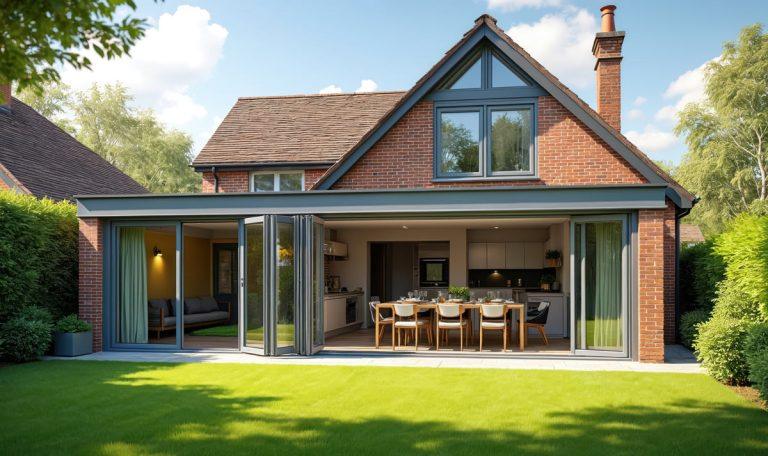
A well-designed extension can transform how your home feels and functions. It may open up living areas, improve flow between rooms, and bring in more natural light.
However, if not carefully planned, it could also reduce light in existing spaces or create awkward layouts.
Orientation plays a key role here. The position of windows, doors, and rooflights can influence how light moves through the space.
Thinking about how you use your home daily can help ensure the new layout genuinely improves your living environment.

Utilities and Services
Extending a property often involves changes to utilities such as plumbing, electrics, and drainage.
These elements may need to be extended, upgraded, or even relocated depending on the design. It is something that can influence both the complexity and cost of the project.
Older systems, in particular, may not always be suitable for expansion. In some cases, upgrades are needed to meet current standards or to cope with increased demand.
Factoring this in early can help avoid unexpected work during construction.
When to Seek Professional Advice
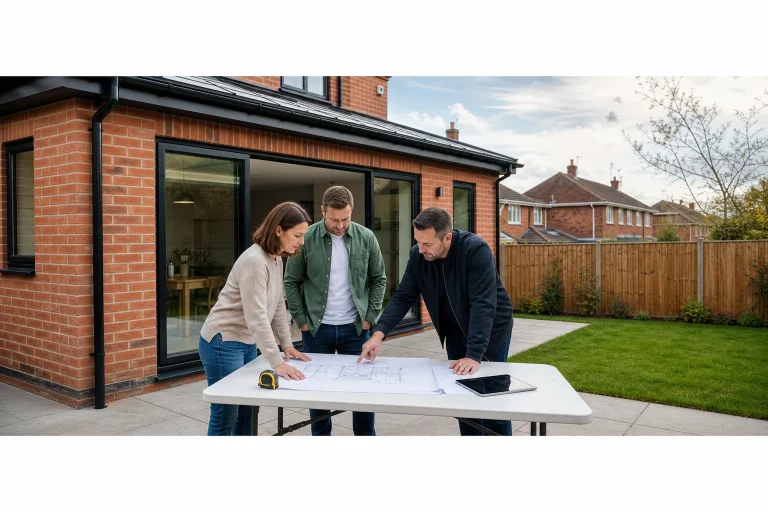
Speaking with an architect early in the process can provide valuable insight into what is possible. They can assess your property, highlight potential challenges, and suggest design options that you may not have considered.
This early guidance can save both time and money.
A feasibility study or initial set of drawings can help bring clarity to the project. Rather than guessing what might work, you will have a clearer understanding of what is achievable within your budget and constraints.
It also puts you in a stronger position when moving forward with planning or construction.
Conclusion
Determining whether your property is suitable for an extension involves a mix of factors, including space, structure, planning rules, and budget.
While many homes do have potential, it is rarely a one size fits all situation. Taking a considered approach early on can make a significant difference to the outcome.
With the right planning and professional support, extending your home can be a worthwhile investment.
It allows you to create a space that better suits your needs without the disruption of moving. Exploring your options properly is the first step towards making that decision with confidence.