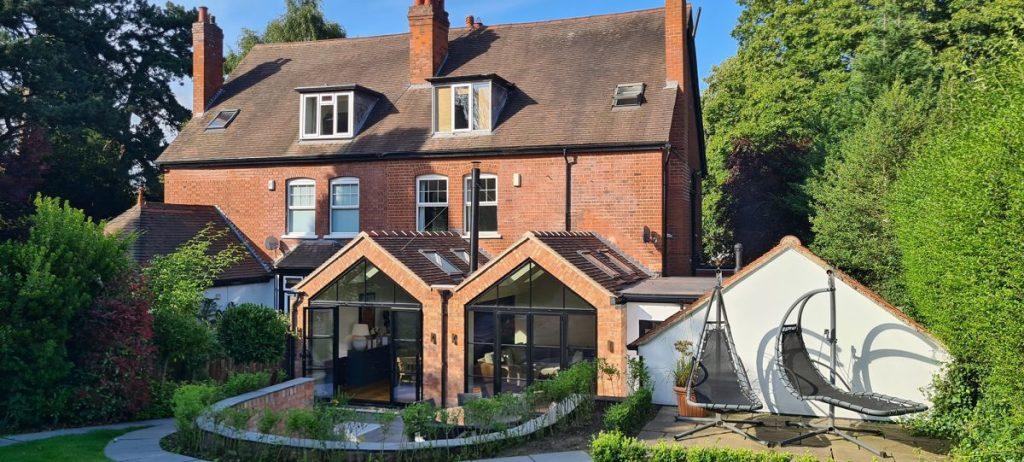
Permitted Development vs Planning Permission for Extensions
When homeowners start thinking about an extension, one of the first questions is usually whether the project can go ahead under permitted development or whether full planning permission is needed. It sounds like a simple distinction, but it often causes confusion early on. Many people assume every extension needs a formal application, while others believe permitted development means they can build without much restriction. In reality, the answer depends on the type of property, the scale of the extension, the location, and the details of the proposal itself.
For anyone considering extending their home, understanding that difference matters. It can affect how quickly the project moves forward, what drawings are needed, and whether the design itself may need to change. At Paragon Architecture & Construction, this is a key part of the early design process, particularly for homeowners looking at practical, well planned extensions that add space without creating avoidable delays.
What permitted development actually means
Permitted development rights allow certain types of work to be carried out without submitting a full householder planning application. That can include some extensions, provided the proposal falls within specific limits and conditions. The key point is that permitted development is not the same as having no rules. It is still part of the planning system, and the design must stay within what is allowed.
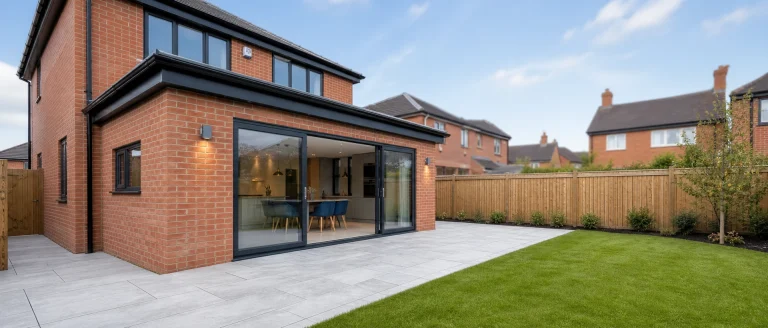
In practice, permitted development is often more relevant to smaller and more straightforward extension projects. A modest rear extension may fall within those rights, for example, while a larger or more complex scheme may not. It is also worth remembering that the exact rules are not just about floor space. Height, proximity to boundaries, previous alterations, and the position of the extension can all have an impact.
What planning permission means
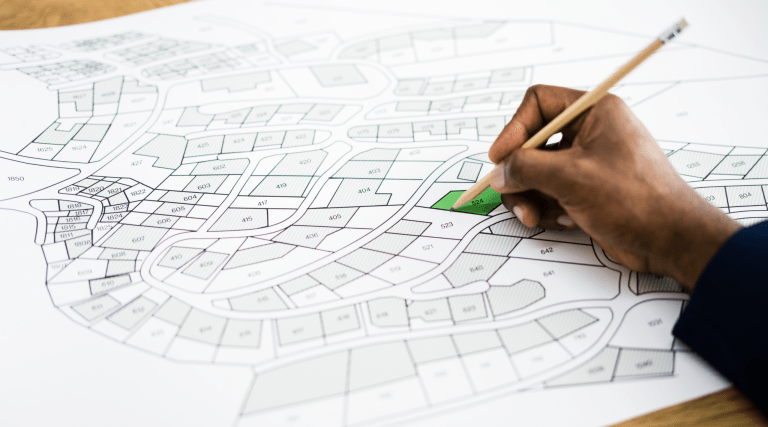
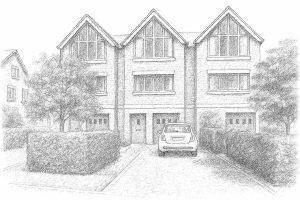 Planning permission is formal approval from the local authority for development that falls outside permitted development rights or for properties where those rights do not apply. This route is often needed for larger extensions, more prominent changes, or projects where the council will need to assess the impact on neighbours, the appearance of the property, and the wider street scene.
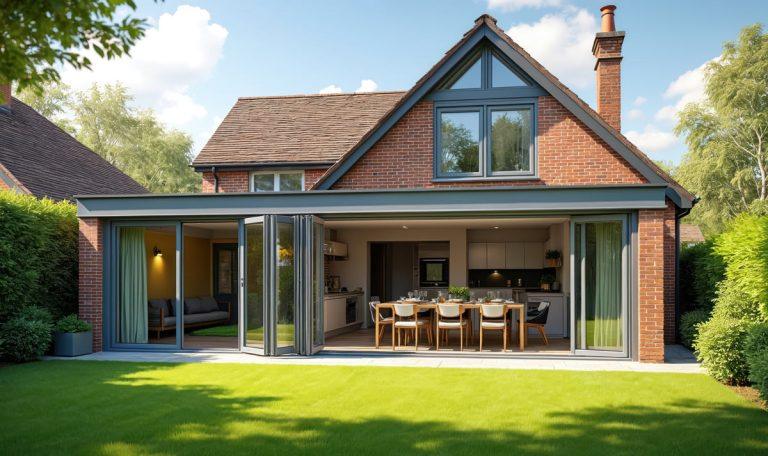
That does not necessarily make planning permission the worse option. In some cases, trying to squeeze a project into permitted development limits can lead to a weaker design. A well considered planning application may allow a better layout, more natural light, and a result that feels more like a proper improvement to the home rather than a compromise.
Why the distinction matters so early
Homeowners sometimes leave this question until after they have already started discussing build costs or rough sketches. That can be a mistake. If the wrong route is assumed at the start, time can be lost on a design that later has to be scaled back or reworked. It may also affect project timescales, budget expectations, and the level of technical detail needed at each stage.
This is where professional advice can make a real difference. A good architectural approach is not just about drawing something attractive. It is about understanding how the proposal is likely to be treated before too much time and money have been invested. That early clarity can make the whole process feel far more manageable.
When permitted development may apply
Permitted development is generally more likely to apply where the extension is modest in scale and follows the established rules for domestic additions. This may include some rear extensions and certain side extensions, depending on the property and the final design. Materials and appearance may also need to remain in keeping with the existing house.
Even then, homeowners should be careful about assumptions. What worked for one property may not apply to another. Previous extensions, local planning conditions, and the status of the building itself can all change the picture. That is why many homeowners prefer to get proper advice before relying on permitted development as the chosen route.
When planning permission is more likely to be required
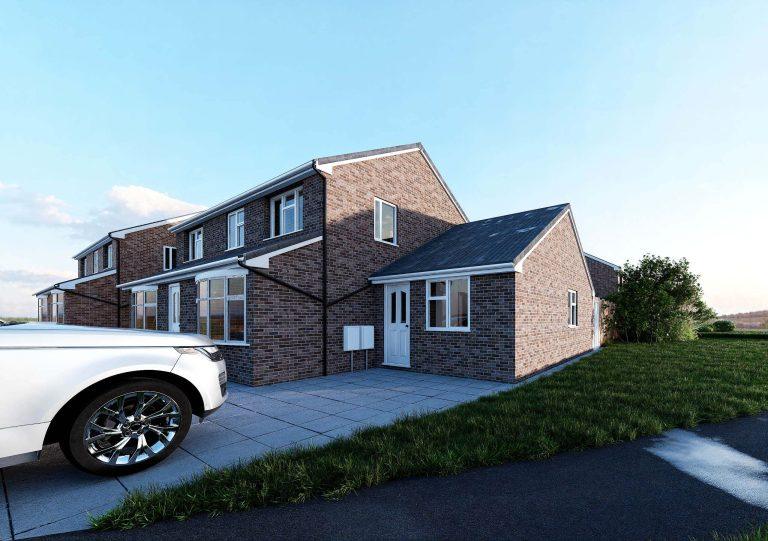
Planning permission is usually more likely where the extension is larger, taller, or more visually prominent. Two storey additions, substantial side extensions, and proposals that significantly alter the appearance of the home often need a formal application. The same can apply if the extension could have a greater impact on neighbouring properties in terms of outlook, overshadowing, or privacy.
There are also situations where permitted development rights may have been restricted or removed entirely. That can happen with certain newer homes, listed buildings, flats, maisonettes, or properties in more sensitive areas. In those cases, a homeowner should not assume the standard extension rights are available.
Building regulations are separate
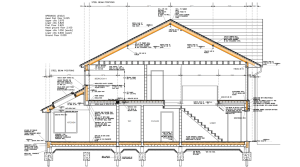 One point that often gets missed is that permitted development and planning permission are only part of the picture. Building regulations are a separate requirement and usually still apply to extensions, even where planning permission is not needed. These rules cover important technical matters such as structure, insulation, ventilation, fire safety, drainage, and construction standards.
If you are looking into that side of the process, Paragon also has a useful article on navigating UK building regulations for home extensions. It is a helpful next step for homeowners who want to understand what happens after the planning route has been clarified.
Common mistakes homeowners make
A common mistake is assuming that because a neighbour built something similar, the same approval route will apply again. Another is focusing only on avoiding planning permission, rather than thinking about what design would actually work best for the property. Some homeowners also overlook the fact that earlier alterations may affect what is still allowed under permitted development.
There is also a tendency to treat planning and building regulations as one and the same. They are connected, but they deal with different things. Keeping those stages clear from the beginning usually leads to better decisions and a smoother project overall.
How Paragon Architecture can help
For homeowners, the real benefit of working with an architect is often the clarity they bring at the start. That includes helping you understand whether your extension is likely to fall within permitted development, whether a planning application is the more realistic route, and how the design can be developed in a way that is both practical and appealing.
Paragon Architecture & Construction supports homeowners across a range of residential projects, including extensions, conversions, planning applications, and building regulations.
Permitted development and planning permission are closely related, but they are not interchangeable. Some extensions can move ahead without a full application, but only where the relevant rules are met. Others need formal consent from the council. In most cases, building regulations still form part of the process regardless.
For homeowners thinking about extending, it is usually worth getting the route clear early. A bit of proper planning at the start can help avoid delays, redesigns and unnecessary cost later on. And when the goal is to improve how a home looks, feels and functions, that early clarity tends to be time well spent.